BPEE Bureau Privé des Études Expérimentales

Bureau Privé des Études Expérimentales
A private office · Programmes I–IV

What is measured,and what is lived.

A private office for experimental studies where four disciplines meet: consciousness, the integrated mind, the perception of time, and horology.

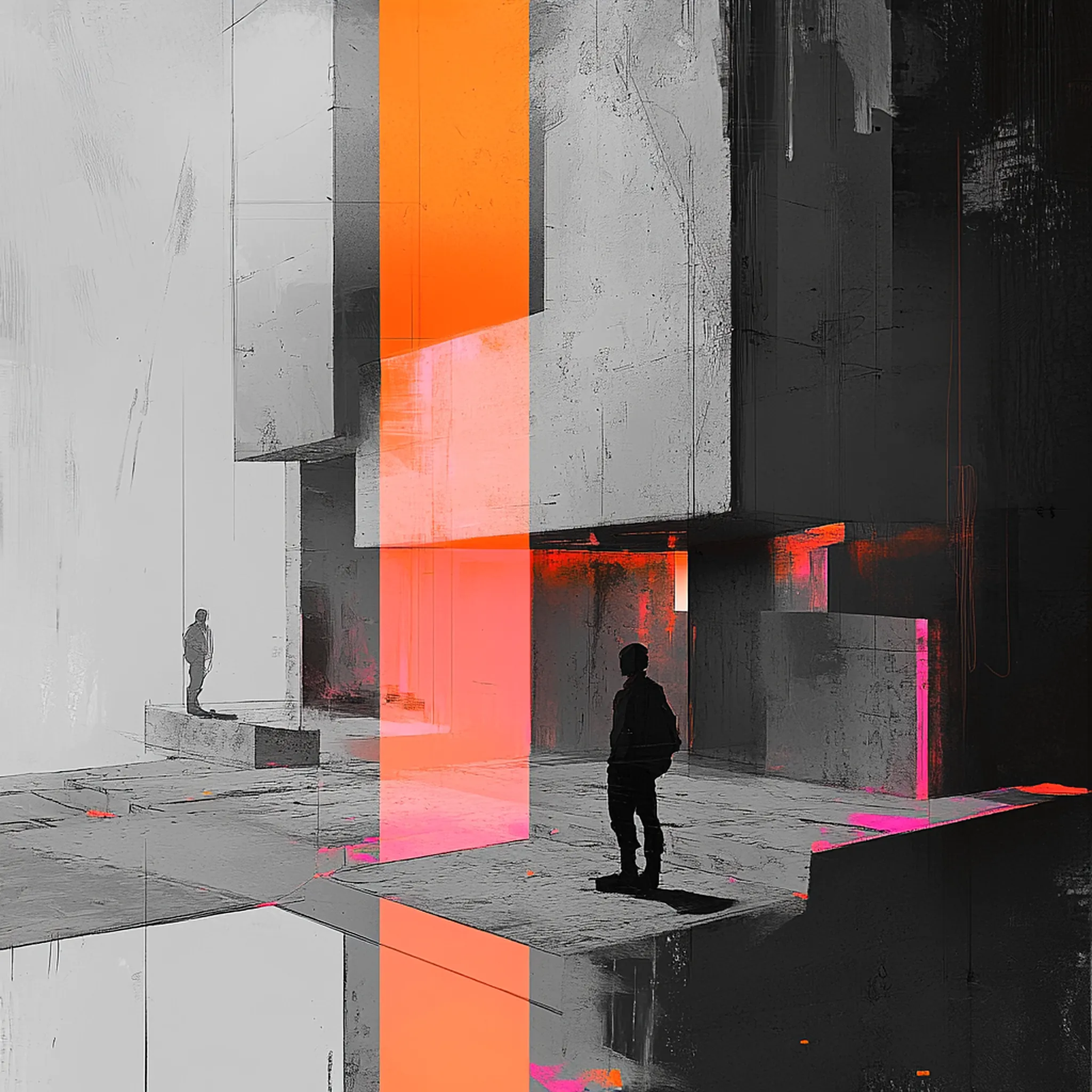
A figure stands in a concrete hall cut by a vertical band of orange light

01 — Programmes

Four questions that do not belong to any one field.

I

Consciousness as a dimension

What if consciousness is not produced by matter, but is a direction of reality in its own right?

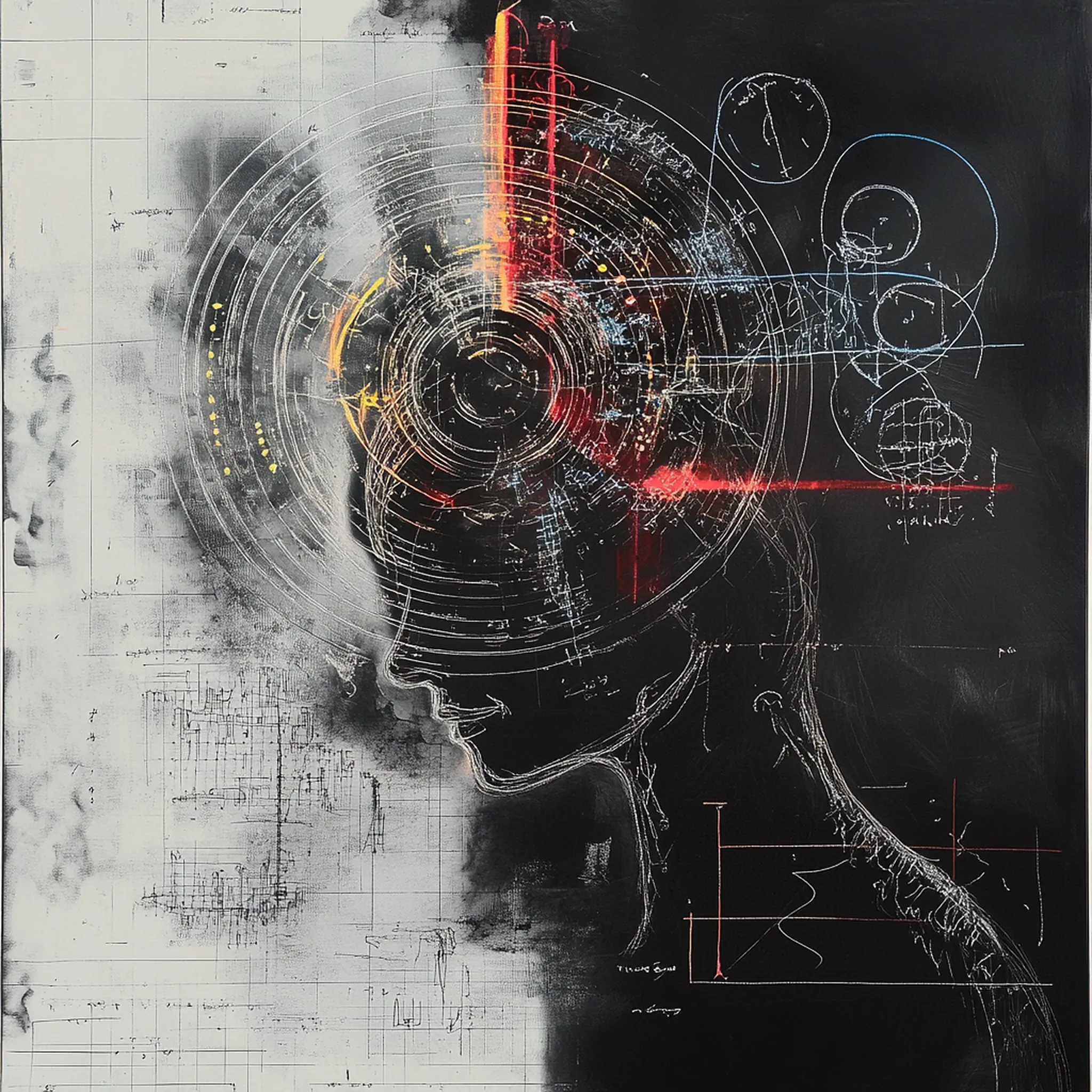
The Bureau’s working hypothesis treats consciousness as a fundamental dimension, orthogonal to spacetime, rather than a property that emerges from complex matter. The framework is geometric. It sets out to account for one physical world seen from many conscious points of view, and to state predictions that could be tested.

Stage
Theoretical framework
Output
Consciousness as a Fundamental Dimension, paper, 2024
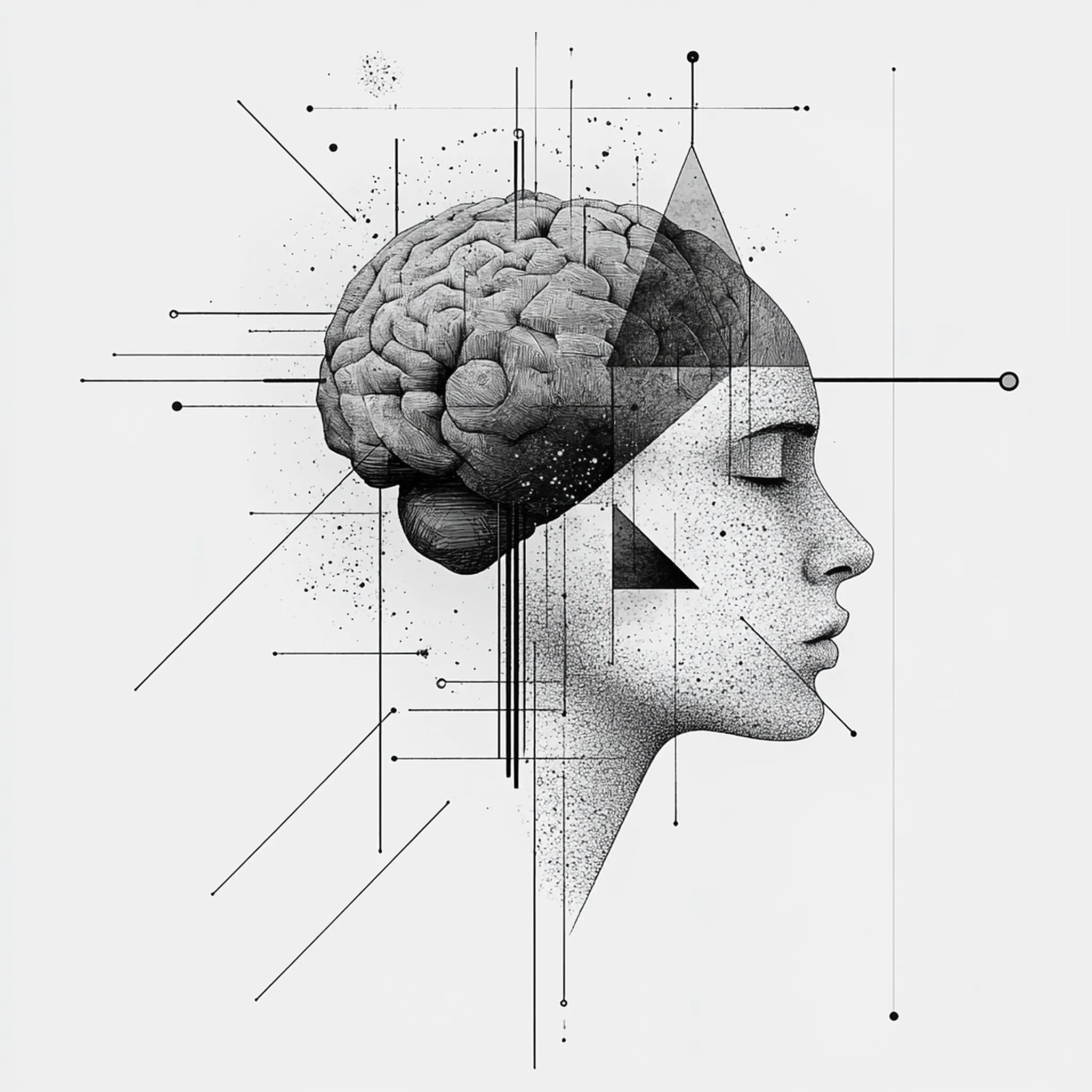
A drawn profile with closed eyes; the back of the head opens onto a brain and geometric lines

II

Fragmentation and integration

Is exceptional ability rare, or only held back?

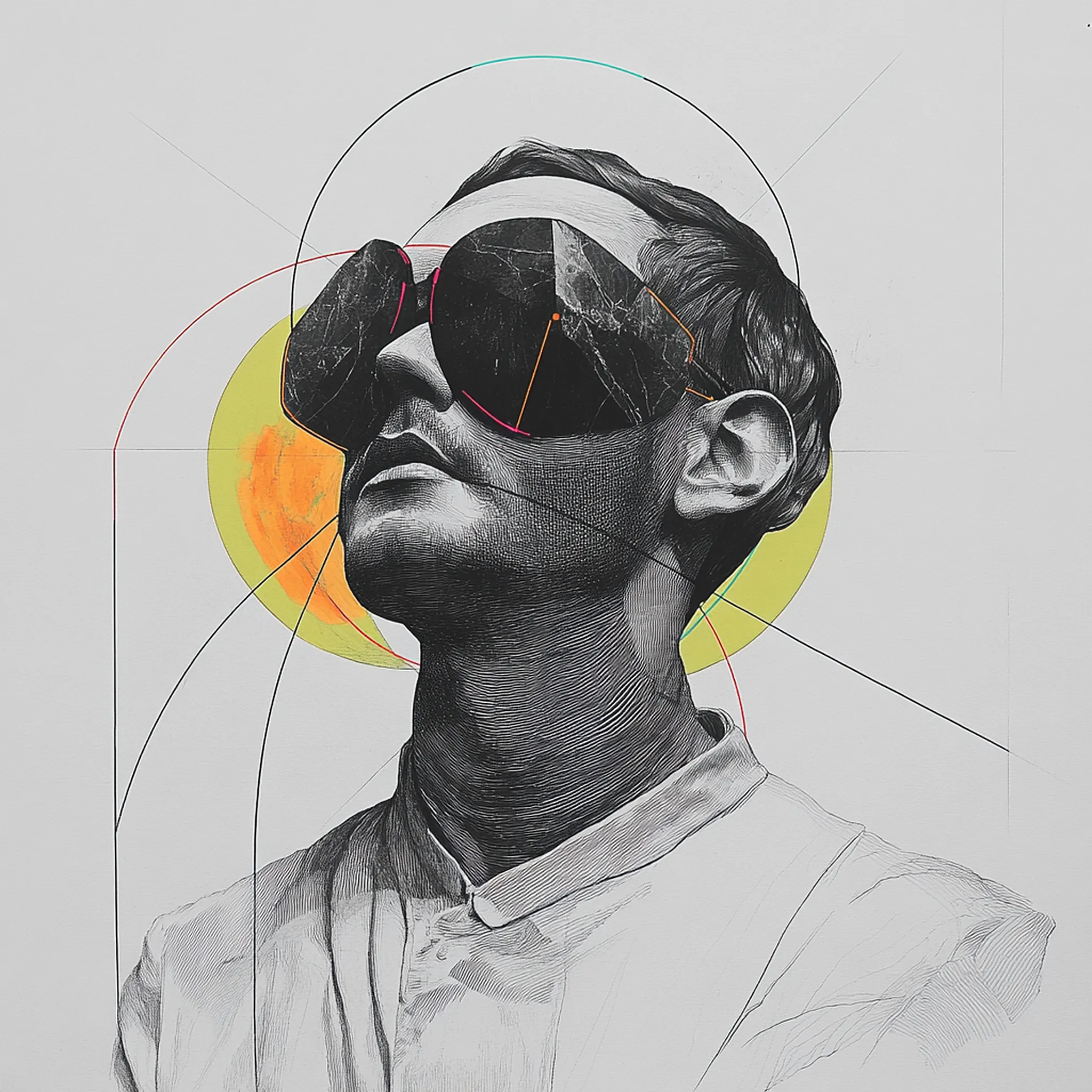
This programme studies how early experience divides a mind into parts that work against each other, and what becomes possible when they converge. Its proposition: much of what we call genius is a person’s own ceiling, reached once the cost of holding oneself in pieces is lifted. It is not a claim about fame or intelligence.

Stage
Synthesis of the literature and of case histories
Output
The Genius Switch, a book by Nadim Elgarhy, forthcoming
A drawn man looking up through dark faceted glasses, a yellow and orange halo behind him

III

The perception of time

Why does a second never last a second?

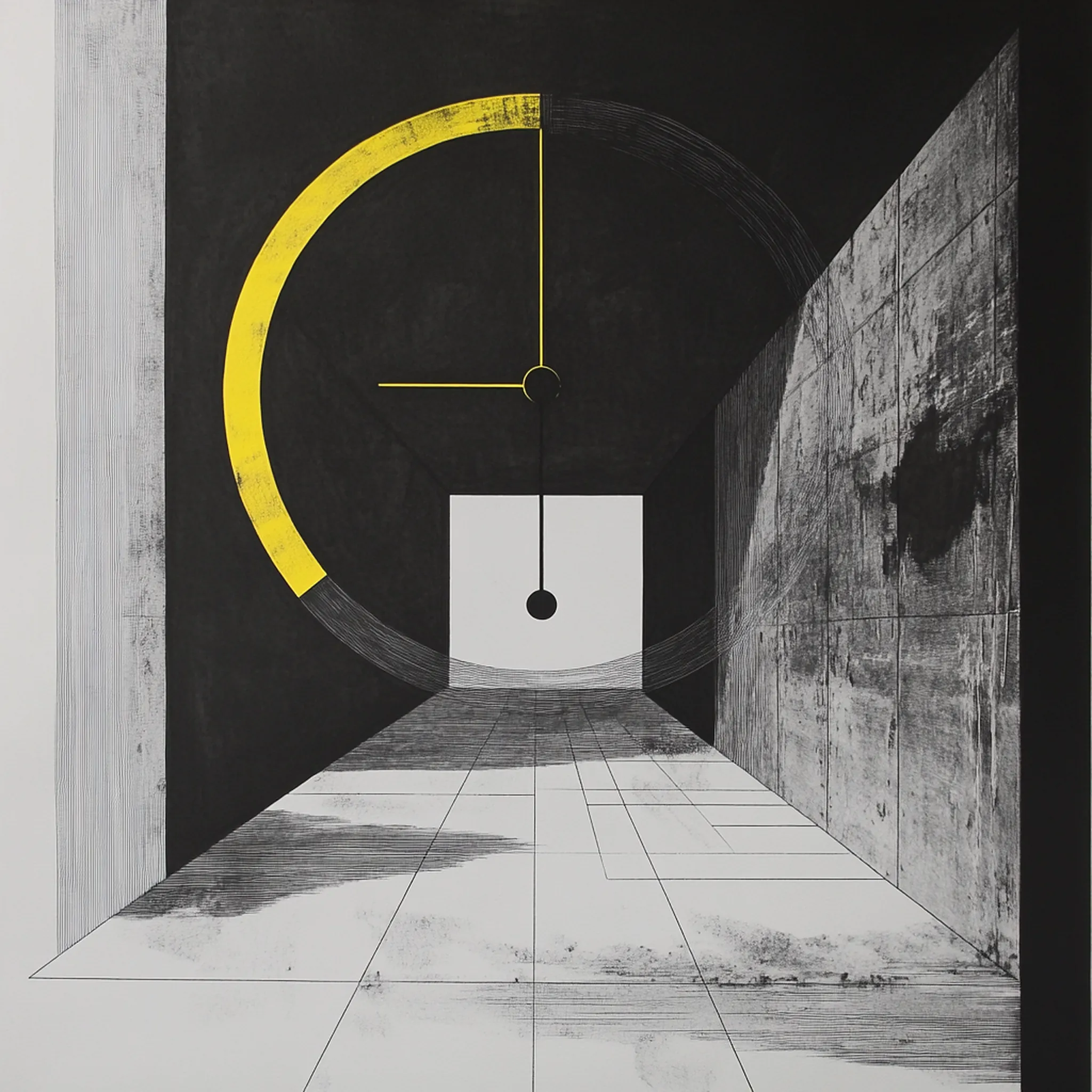
Measured time is uniform. Lived time is not: it stretches while we wait, collapses when we are absorbed, and folds back in memory. This programme gathers what psychology, perception research and philosophy know about that difference, and asks what an instrument faithful to it would look like.

Stage
Review of the literature
Output
The Future of Time, white paper, 2024
A corridor in charcoal under a yellow arc, a single hand pointing down to a doorway

IV

Applied horology

Can a mechanical watch tell lived time, and still be exact?

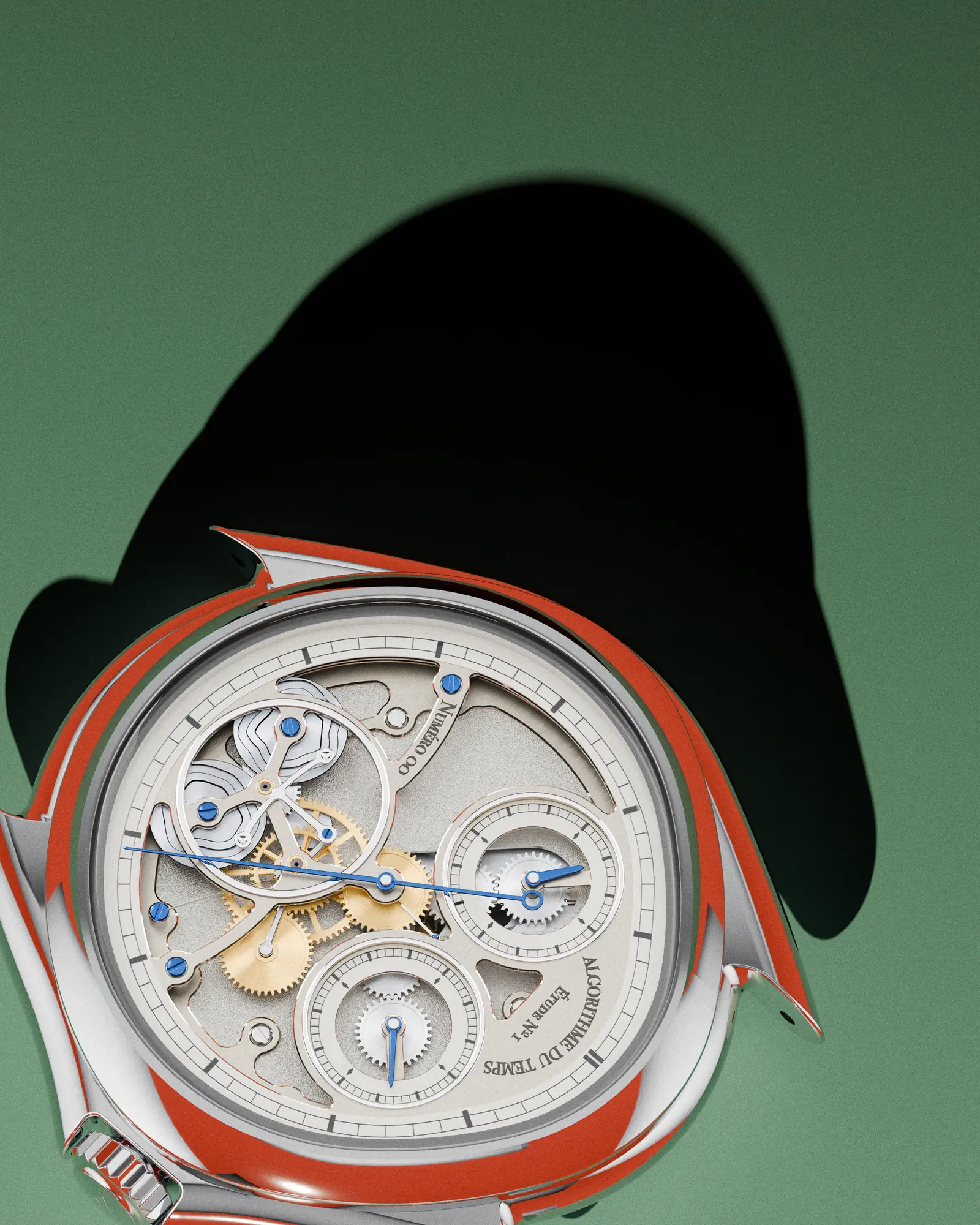
The first object of the programme is Étude Nº1, realised with Algorithme du Temps. Its seconds hand slows, stops, runs backwards and races, as a second sometimes seems to. At every minute it is exactly on time.

Stage
Étude Nº1, a series of 25
Output
Rêveries des Secondes, Algorithme du Temps
Étude Nº1 seen from above on a sage-green ground, a long shadow behind it

02 — Index

The work, as it stands.

NºTitleProgrammeFormYear
001Consciousness as a Fundamental DimensionA Modern Theoretical FrameworkIPaper2024Read
002The Future of TimePsychological, Perceptual, and Philosophical Dimensions and Their Potential Applications in Advanced HorologyIIIWhite paper2024Read
003Rêveries des SecondesÉtude Nº1, with Algorithme du TempsIVMechanical watch2026View
004The Genius SwitchThe New Science of Crossing the Threshold Into Your Full PotentialIIBookForthcoming

03 — Method

Rigour where it is possible. Candour where it is not.

A profile in charcoal overlaid with drawn circles, scales and red construction lines

i

Between disciplines

A question that falls between fields is studied there, not handed to one of them. Physics, psychology, philosophy and watchmaking are read side by side.

ii

From model to object

A model is not finished until something can be made from it. A paper on lived time became a mechanism; the mechanism became a watch one can hold.

iii

Speculation, named as such

The Bureau pursues hypotheses that others consider premature. Each piece of work says what it is: a hypothesis, a review, a working object.

04 — The Bureau

Private, by design.

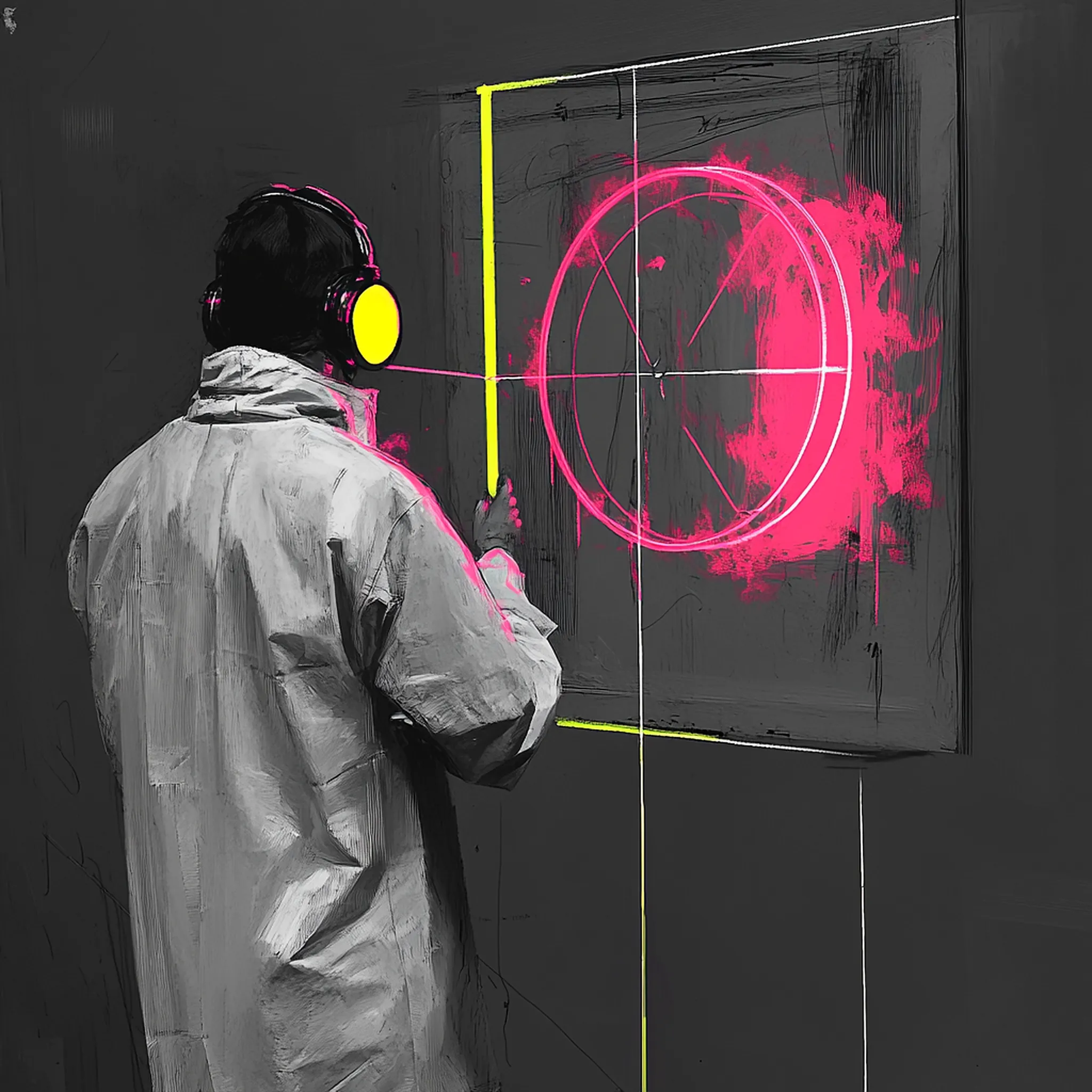
A figure in a white coat and yellow headphones draws a pink circle on a dark wall

The Bureau is an office, not an institute. It answers to no funding body and keeps no public hours.

It was set up to pursue questions at a pace and in a direction that conventional structures rarely allow, and to see them through to an object when they can be. Its work is published when it is ready, under the name of the person who did it.

Where a study needs a specialist, a laboratory or a workshop, the Bureau works with them directly. Its applied work in horology is carried out with Algorithme du Temps.

Director
Nadim Elgarhy
Applied horology
Algorithme du Temps

05 — Correspondence

The Bureau corresponds in writing.

nadim.elgarhy@bureauprive.org

  • a

    Researchers and practitioners whose work meets one of the four programmes.

  • b

    Workshops and makers, for the applied programme.

  • c

    Editors and press, about the publications.